
Body Armor
Original price
$0.00 CAD
-
Original price
$0.00 CAD
Original price
$59.99 CAD
$0.00 CAD
-
$0.00 CAD
Current price
$59.99 CAD
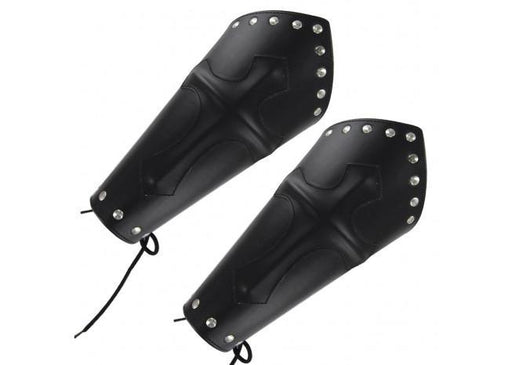
Medieval Complete Faith Archer Leather Bracers
Only 3 left!
Description:This here is the Cadillac of all stands. It holds up to 18 walking canes and 9 swords. Can you say “WOW”! Well say it again. It comes w...
View full details
Original price
$0.00 CAD
-
Original price
$0.00 CAD
Original price
$59.99 CAD
$0.00 CAD
-
$0.00 CAD
Current price
$59.99 CAD

Original price
$0.00 CAD
-
Original price
$0.00 CAD
Original price
$249.99 CAD
$0.00 CAD
-
$0.00 CAD
Current price
$249.99 CAD
Pauldron Siege Warfare Armor Set 18g
Only 1 left!
Description:Pauldrons are made for the purpose of protecting a knight’s shoulders and upper arm. They evolved from the Spaulders in the 15th centur...
View full details
Original price
$0.00 CAD
-
Original price
$0.00 CAD
Original price
$249.99 CAD
$0.00 CAD
-
$0.00 CAD
Current price
$249.99 CAD

Original price
$0.00 CAD
-
Original price
$0.00 CAD
Original price
$249.99 CAD
$0.00 CAD
-
$0.00 CAD
Current price
$249.99 CAD
Medieval Italian 15th Century Poleyns Leg Armors
Only 3 left!
Description:Leg armor that covers the knee (known as 'poleyns') was one of the first forms of plate armor. Poleyns were generally worn by attaching...
View full details
Original price
$0.00 CAD
-
Original price
$0.00 CAD
Original price
$249.99 CAD
$0.00 CAD
-
$0.00 CAD
Current price
$249.99 CAD

Original price
$0.00 CAD
-
Original price
$0.00 CAD
Original price
$149.99 CAD
$0.00 CAD
-
$0.00 CAD
Current price
$149.99 CAD
Champions Gorget Bevor Plate Armor
Only 1 left!
Description:Secure the critical zone from chin to collarbone with the Champions Gorget Bevor. Crafted from 16‑gauge battle‑ready steel with a polis...
View full details
Original price
$0.00 CAD
-
Original price
$0.00 CAD
Original price
$149.99 CAD
$0.00 CAD
-
$0.00 CAD
Current price
$149.99 CAD

Original price
$0.00 CAD
-
Original price
$0.00 CAD
Original price
$289.99 CAD
$0.00 CAD
-
$0.00 CAD
Current price
$289.99 CAD
Celestial Commander Cuirass Battle Ready Chest Armor
Only 3 left!
Description: Command the battlefield with the Celestial Commander Cuirass. This stunning chest armor combines formidable protection with divine ins...
View full details
Original price
$0.00 CAD
-
Original price
$0.00 CAD
Original price
$289.99 CAD
$0.00 CAD
-
$0.00 CAD
Current price
$289.99 CAD

Original price
$0.00 CAD
-
Original price
$0.00 CAD
Original price
$249.99 CAD
$0.00 CAD
-
$0.00 CAD
Current price
$249.99 CAD
Medieval Knights Full Sleeve Hauberk Chainmail Large
Out of stock
Description: Step onto the medieval battlefield with this Full Sleeve Hauberk. Expertly crafted for reenactment and display, it is constructed from...
View full details
Original price
$0.00 CAD
-
Original price
$0.00 CAD
Original price
$249.99 CAD
$0.00 CAD
-
$0.00 CAD
Current price
$249.99 CAD
Sold out
Original price
$0.00 CAD
-
Original price
$0.00 CAD
Original price
$69.99 CAD
$0.00 CAD
-
$0.00 CAD
Current price
$69.99 CAD
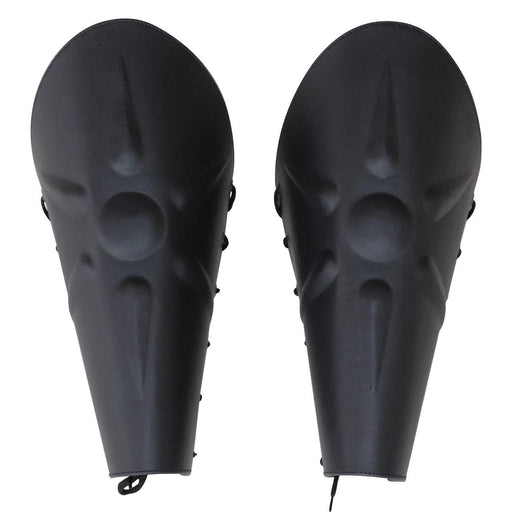
Sunburst Knights Battle Black Leather Armor Leg Greaves
Only 1 left!
Description: A warrior's stance begins from the ground up—and these greaves ensure that foundation is protected. Handmade from premium genuine blac...
View full details
Original price
$0.00 CAD
-
Original price
$0.00 CAD
Original price
$69.99 CAD
$0.00 CAD
-
$0.00 CAD
Current price
$69.99 CAD

Original price
$0.00 CAD
-
Original price
$0.00 CAD
Original price
$99.99 CAD
$0.00 CAD
-
$0.00 CAD
Current price
$99.99 CAD
Handmade Medieval Gothic Revival 16g Bevor Armor
Out of stock
Description:Evolved from the gorget this medieval plate armor that protects the lower face and neck is called a bevor. The bevor was typically worn...
View full details
Original price
$0.00 CAD
-
Original price
$0.00 CAD
Original price
$99.99 CAD
$0.00 CAD
-
$0.00 CAD
Current price
$99.99 CAD
Sold out
Original price
$0.00 CAD
-
Original price
$0.00 CAD
Original price
$349.99 CAD
$0.00 CAD
-
$0.00 CAD
Current price
$349.99 CAD
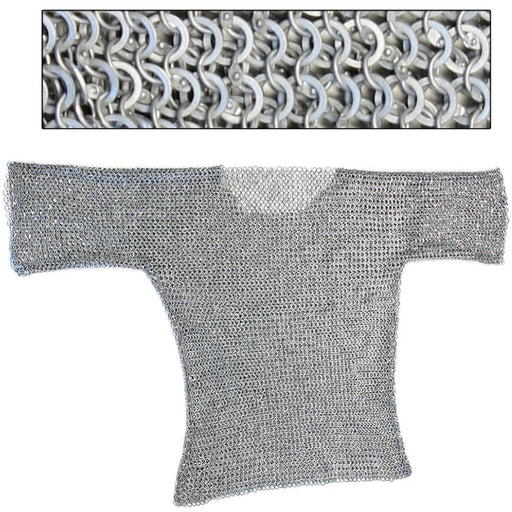
Re-enactment Aluminum Haubergeon Chainmail Large
Out of stock
Description: Move with the speed and freedom of a seasoned warrior. This Aluminum Haubergeon is functional armor reimagined, crafted from lightweig...
View full details
Original price
$0.00 CAD
-
Original price
$0.00 CAD
Original price
$349.99 CAD
$0.00 CAD
-
$0.00 CAD
Current price
$349.99 CAD
Sold out

Original price
$0.00 CAD
-
Original price
$0.00 CAD
Original price
$169.99 CAD
$0.00 CAD
-
$0.00 CAD
Current price
$169.99 CAD
Medieval Half Sleeve Child Haubergeon Chainmail
Only 2 left!
Description:Why is it only adults get to ride atop a horse and don a sword? Well, this is not the case anymore. Win the King’s favor or rescue your...
View full details
Original price
$0.00 CAD
-
Original price
$0.00 CAD
Original price
$169.99 CAD
$0.00 CAD
-
$0.00 CAD
Current price
$169.99 CAD
Historical armour includes chainmail shirts, cuirasses, pauldrons, and greaves that protected warriors in battle. Discover equipment inspired by Roman, medieval, and Renaissance armour traditions.
Steel and Mail in Medieval Body Armour
Steel plates closing over the chest. Rings of chainmail settling across the shoulders. The weight of armour carries a long story of battles, tournaments, and disciplined craftsmanship. Medieval body armour formed the visible identity of warriors for centuries. Each element had a clear function. Cuirasses guarded the torso. Mail shirts protected large areas of the body while still moving with the wearer. Shoulder pieces and arm guards added further defence. Many surviving designs reveal how armour evolved across regions and eras. Roman muscle cuirasses display sculpted forms shaped around the torso. Medieval chainmail shirts appear as dense fields of interlocked rings. Later periods introduced larger plate elements such as pauldrons and reinforced greaves. This variety remains evident in modern collections that draw on historical inspiration. Armour also communicates status and role. Knights preparing for tournaments required different protection than infantry soldiers or archers. The pieces in this collection echo those distinctions. Steel gorgets shield the throat, while mail coifs protect the neck and head. Each part contributes to a larger armour structure recognized in manuscripts, battlefield illustrations, and historical armouries.
Building Armour Piece by Piece
A full armour configuration rarely relied on a single item. Historical equipment developed through layers and connected components. Each piece worked alongside others to create broader coverage.
Typical armour structures include several elements:
- Chainmail hauberks or shirts covering the torso and upper arms
- Steel cuirasses protecting the chest and back
- Pauldrons placed over the shoulders
- Bracers and vambraces guarding the forearms
- Greaves and poleyns shield the legs
Together, these elements create a silhouette often associated with medieval knights and soldiers. Some warriors relied heavily on chainmail. Others combined mail with rigid plate armour. Renaissance equipment often expanded the use of steel plates across the entire upper body. Modern collectors frequently assemble armour in the same gradual way. A cuirass may appear first. Shoulder armour follows. Arm guards and leg protection expand the structure. Over time, the armour grows into a complete historical kit.
Armour in Collections, Reenactment, and Costume Work
Historical armour continues to attract collectors, reenactors, and costume builders. Each group approaches armour with different goals. Reenactors study historical references and assemble armour pieces that resemble period equipment. Chainmail shirts, steel gorgets, and shoulder armour appear regularly in reenactment armour kits. Costume designers often search for pieces that capture the visual character of knights, warriors, or gladiators. Roman-style muscle cuirasses bring classical imagery into stage productions or fantasy photography. Gothic plate armour introduces dramatic shapes suited to medieval-themed performances. Collectors approach armour from another angle. A cuirass mounted on a display stand transforms a room into a small private armoury. Chainmail shirts and pauldrons often appear beside swords, shields, and helmets. The result resembles historical displays seen in castles and museums. Hand protection completes the visual structure of armour. Many enthusiasts extend their equipment with gauntlets, creating a consistent appearance across the entire suit.
Historical Inspiration in Body Armour for Sale
Armour collections rarely focus on one single tradition. Many historical cultures produced distinctive chest armour and defensive gear. The range of body armour for sale reflects this diversity through chainmail garments, sculpted cuirasses, and reinforced plate elements. Roman-inspired cuirasses appear with smooth, muscular shaping across the chest. Medieval hauberks feature dense rows of interlinked rings that extend down toward the thighs. Renaissance armour introduces stronger plate elements with articulated arm guards and shoulder protection. These differences show how armour evolved across centuries of warfare and tournaments. Earlier mail garments prioritized coverage across large areas of the body. Later armour introduced rigid plate structures around the torso and shoulders. Collectors and enthusiasts often compare these styles when assembling their own armour sets. A Roman cuirass may stand beside a medieval chainmail shirt, showing how two historical traditions approached body protection in different ways.
Accessing Body Armour for Sale Canada Through an Online Armour Selection
Access to historical armour within Canada often depends on specialist retailers. An online catalogue allows collectors and enthusiasts to examine numerous armour styles in one place. The selection of body armour for sale in Canada includes chainmail shirts, steel cuirasses, gorgets, shoulder armour, and protective arm pieces. Many armour sets develop gradually. A chest cuirass forms the centre of the equipment. Additional parts expand the armour across the body. Shoulder plates frame the upper silhouette. Bracers strengthen the arms. Leg armour introduces greaves and poleyns that complete the lower structure. This layered construction follows the same principles as those used in the preparation of historical armour. The Warriors rarely relied on one single piece. Armour emerged through connected parts working together across the body. Today, the same approach appears in private collections, reenactment armour kits, and costume workshops. Each new component builds upon the previous one until the armour reflects the appearance of a fully equipped warrior.