
Cotton Padding
-
 Sold out
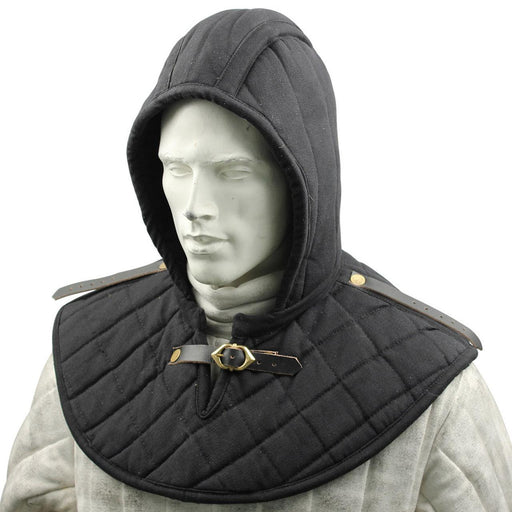
Cotton Padded Collar Armor And Cap Black
Original price $79.99 CAD - Original price $79.99 CADOriginal price$79.99 CAD$79.99 CAD - $79.99 CADCurrent price $79.99 CADDescription: Before the plate and mail, there was the padding—the silent layer between steel and skin, between impact and injury. This collar and c...
View full detailsOriginal price $79.99 CAD - Original price $79.99 CADOriginal price$79.99 CAD$79.99 CAD - $79.99 CADCurrent price $79.99 CADSold out -
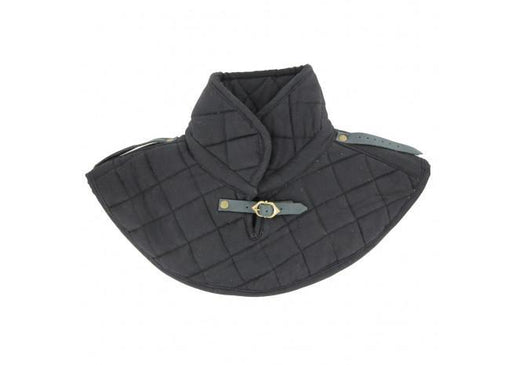
Cotton Armor Padding Collar Medieval Garment Black
Original price $74.99 CAD - Original price $74.99 CADOriginal price$74.99 CAD$74.99 CAD - $74.99 CADCurrent price $74.99 CADDescription:Padded garments like this Cotton Collar are worn underneath metal and chain mail armor. It improves the absorption of impact and reinfo...
View full detailsOriginal price $74.99 CAD - Original price $74.99 CADOriginal price$74.99 CAD$74.99 CAD - $74.99 CADCurrent price $74.99 CAD -
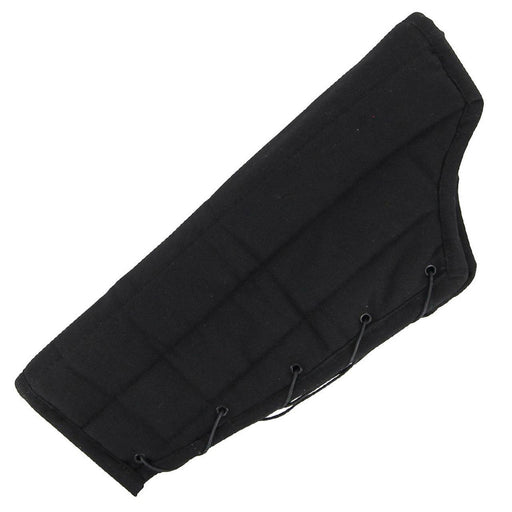
Padded Cotton Battle Cry Full Leg Greaves Set
Original price $69.99 CAD - Original price $69.99 CADOriginal price$69.99 CAD$69.99 CAD - $69.99 CADCurrent price $69.99 CADDescription: Padded armor does not merely protect—it prepares. Between skin and steel, between movement and stillness, it is the layer that keeps a...
View full detailsOriginal price $69.99 CAD - Original price $69.99 CADOriginal price$69.99 CAD$69.99 CAD - $69.99 CADCurrent price $69.99 CAD -
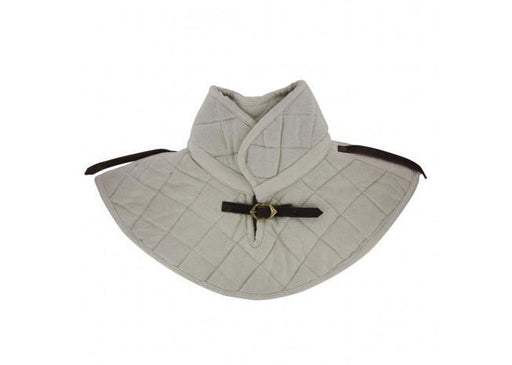
Cotton Padding Collar Armor Medieval Garment White
Original price $74.99 CAD - Original price $74.99 CADOriginal price$74.99 CAD$74.99 CAD - $74.99 CADCurrent price $74.99 CADDescription:Padded garments like this Cotton Collar are worn underneath metal and chain mail armor. It improves the absorption of impact and reinfo...
View full detailsOriginal price $74.99 CAD - Original price $74.99 CADOriginal price$74.99 CAD$74.99 CAD - $74.99 CADCurrent price $74.99 CAD -
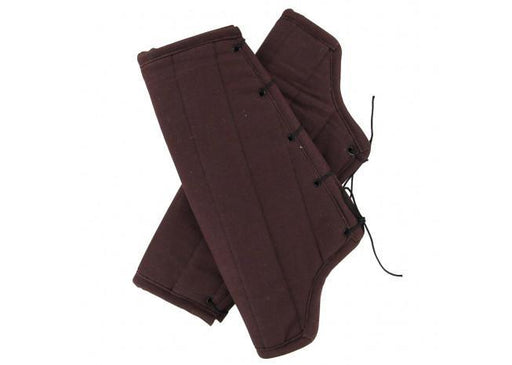
Medieval Flank Attack Padded Greaves Armor
Original price $59.99 CAD - Original price $59.99 CADOriginal price$59.99 CAD$59.99 CAD - $59.99 CADCurrent price $59.99 CADDescription:A greave is a piece of armor that protects the leg. The primary purpose of greaves is to protect the tibia from attack. The tibia is a ...
View full detailsOriginal price $59.99 CAD - Original price $59.99 CADOriginal price$59.99 CAD$59.99 CAD - $59.99 CADCurrent price $59.99 CAD -
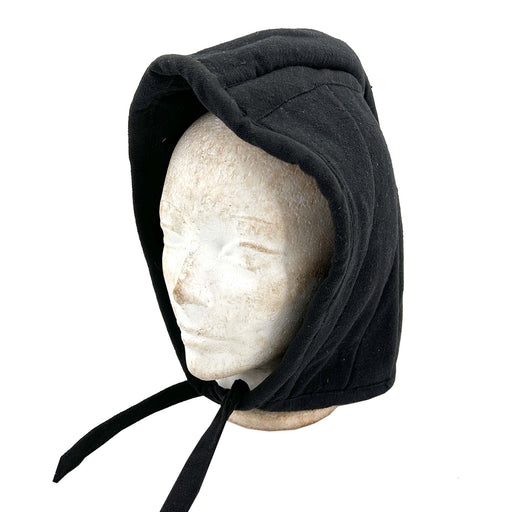 Original price $69.99 CAD - Original price $69.99 CADOriginal price$69.99 CAD$69.99 CAD - $69.99 CADCurrent price $69.99 CAD
Description: Prepare for battle with the Cotton Padded Coif Arming Cap, designed for comfort and protection under armored helmets. Crafted from thi...
View full detailsOriginal price $69.99 CAD - Original price $69.99 CADOriginal price$69.99 CAD$69.99 CAD - $69.99 CADCurrent price $69.99 CAD -
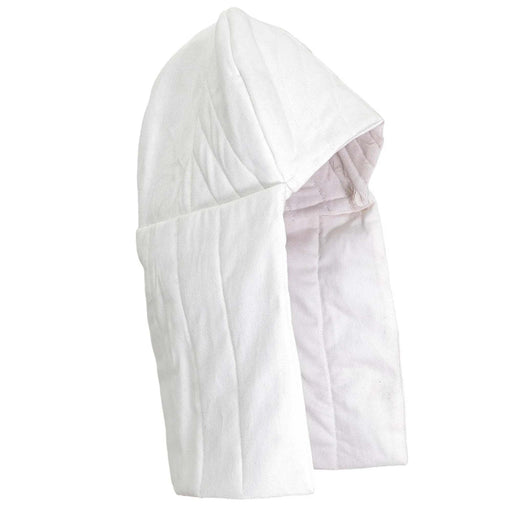
Enigmatic Stranger Medieval Arming Cap Fabric Armor Padding
Original price $69.99 CAD - Original price $69.99 CADOriginal price$69.99 CAD$69.99 CAD - $69.99 CADCurrent price $69.99 CADDescription:Elevate your medieval armor experience with the Enigmatic Stranger Medieval Arming Cap Fabric Armor Padding. Crafted to provide both pr...
View full detailsOriginal price $69.99 CAD - Original price $69.99 CADOriginal price$69.99 CAD$69.99 CAD - $69.99 CADCurrent price $69.99 CAD -
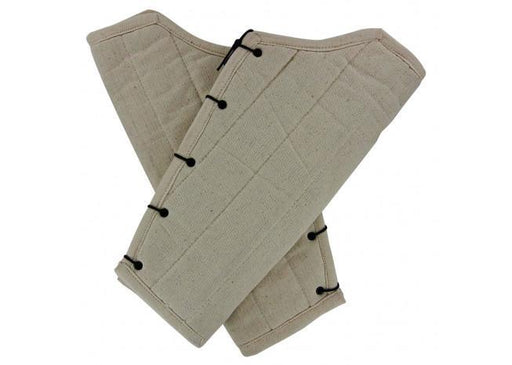
Shock Charge Medieval Padded Greaves Armor
Original price $74.99 CAD - Original price $74.99 CADOriginal price$74.99 CAD$74.99 CAD - $74.99 CADCurrent price $74.99 CADDescription:The primary purpose of greaves is to protect the tibia from attack. The tibia is a bone very close to the skin, and is therefore extrem...
View full detailsOriginal price $74.99 CAD - Original price $74.99 CADOriginal price$74.99 CAD$74.99 CAD - $74.99 CADCurrent price $74.99 CAD
Cotton padding forms the hidden layer beneath armour. Padded collars, coifs, and greaves reduce pressure from metal equipment and complete traditional medieval clothing systems.
Layers Beneath the Armour
Armour often draws the most attention, yet the layer worn underneath determines how the entire outfit functions. Historical fighters rarely placed metal directly on the body. Instead, they relied on thick textile layers that softened impact and reduced friction. This is where cotton armour padding became part of everyday preparation. Padded garments formed a protective base between skin and steel. Cotton fibres trapped small pockets of air within the stitching, reducing pressure when the armour rested on the body. Even simple padded collars or caps could change how armour felt during long training sessions or staged combat. Many reenactors notice this difference immediately. Metal equipment shifts less when worn over padded clothing, resulting in a more stable fit across the shoulders, neck, and legs. Pieces such as padded collars, arming caps, and greaves reflect how traditional medieval garments worked together with armour instead of functioning as separate items. This layered system gave historical clothing its recognizable structure. Cotton padding acted as the quiet foundation beneath visible armour.
Padded Protection for Head and Neck
The head and neck required careful preparation before any helmet was placed on top. Even a well-shaped helmet could press against the skull or move during activity if worn without a padded base. Cotton caps and collars created that missing layer. A padded coif or arming cap fits closely around the head and cushions the interior of helmets. The padding absorbs pressure and prevents metal edges from rubbing against the skin. Neck collars extend that protection by covering the throat and upper shoulders, which often remain exposed around helmet openings.
Several elements influence how these garments work in combination with armour:
- thickness of the cotton padding
- placement around the neck and jawline
- fit beneath helmets
These details may appear minor at first glance. Once armour is worn for extended periods, it quickly becomes noticeable. Padding stabilizes the helmet and softens contact points, which helps maintain comfort throughout reenactment events or costume performances.
Leg Protection and Padded Greaves
Lower-body protection receives less attention in many armour discussions, yet historical clothing treated it with equal importance. Padded greaves and leg coverings formed another layer within the system of medieval garments used alongside armour. Leg padding creates a cushion between the body and rigid greave plates. Cotton fabric absorbs pressure where armour rests against the shin and calf. During movement, this layer reduces friction between metal edges and clothing. Padded greaves also contribute to the visual structure of historical outfits. Thick stitched panels follow the natural lines of the leg, creating the layered silhouette commonly seen in medieval illustrations and reenactment equipment. This detail often completes the appearance of armoured clothing. For collectors and costume builders, leg padding becomes an important finishing piece. Armour may attract attention first, yet padded layers beneath it determine how the entire outfit sits on the body.
Cotton Armour Padding for Enthusiasts in Canada
Interest in historical equipment continues to grow, and enthusiasts across Canada often search for textile layers that match the style of their armour. Finding cotton armour padding for sale gives collectors and reenactors access to pieces that complement metal armour without compromising historical authenticity. Cotton padding items commonly include collars, padded caps, and leg protection garments. Each piece works with other equipment rather than standing alone. A padded collar pairs naturally with armour plates. An arming cap completes the interior structure of a helmet. Customers across Canada frequently build complete outfits by combining textile and metal components. When cotton armour padding for sale appears alongside armour pieces, the entire clothing system becomes easier to assemble. This combination reflects how historical garments were originally worn. Textile layers and armour formed a connected structure rather than separate accessories.
Combining Cotton Padding with Full Armour
A full armour set rarely begins with metal. The process usually starts with layers of clothing that prepare the body for heavier equipment. Cotton armour padding sits at the center of this preparation. When padding covers the neck, head, and legs, armour rests more naturally on the body. Plates align with the shoulders. Greaves follow the movement of the legs. Head protection stays stable beneath helmets. These adjustments may appear subtle, yet they change how the entire armour set behaves. Collectors assembling displays often add padded garments to recreate the complete historical appearance. Reenactors place them beneath body armour so that metal equipment sits correctly during events. Cosplayers also rely on these layers to improve how armour costumes fit and move. This approach mirrors historical practice. Armour was never worn alone. Cotton padding completed the structure, turning separate pieces of armour into a coherent outfit built from layered medieval garments.
}