
Outdoor Axes
-
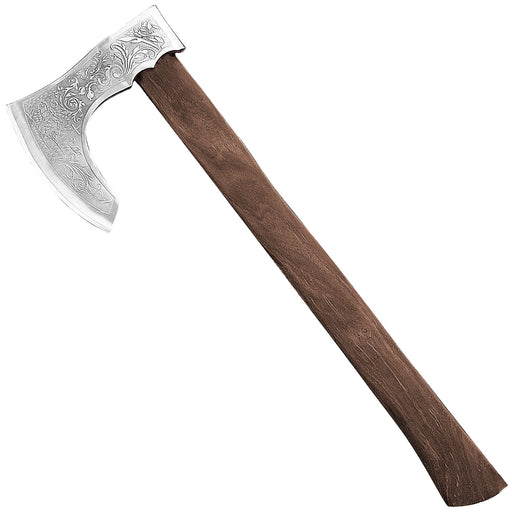
Cowboy Up Carbon Steel Outdoor Bearded Axe
Original price $149.99 CAD - Original price $149.99 CADOriginal price$149.99 CAD$149.99 CAD - $149.99 CADCurrent price $149.99 CADDescription: Out here, faith and steel ride together. Etched into the bearded head of this axe, a cowboy kneels before a cross, his faithful horse ...
View full detailsOriginal price $149.99 CAD - Original price $149.99 CADOriginal price$149.99 CAD$149.99 CAD - $149.99 CADCurrent price $149.99 CAD -
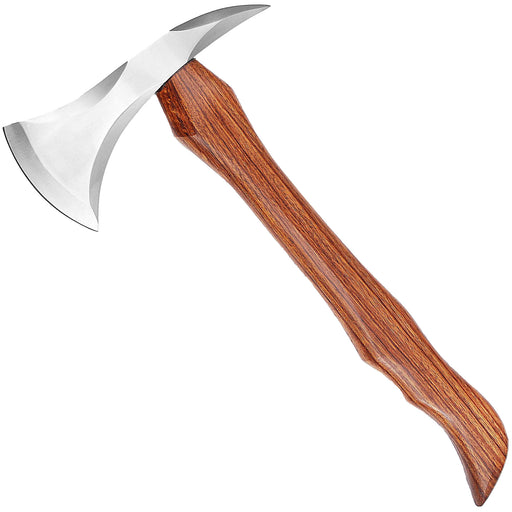
Diamond Miner High Carbon Steel Functional Outdoor Pickaxe
Original price $149.99 CAD - Original price $149.99 CADOriginal price$149.99 CAD$149.99 CAD - $149.99 CADCurrent price $149.99 CADDescription: Treasure waits beneath the surface—but between you and it lies rock, root, and stubborn earth. This pickaxe is the answer. The head, h...
View full detailsOriginal price $149.99 CAD - Original price $149.99 CADOriginal price$149.99 CAD$149.99 CAD - $149.99 CADCurrent price $149.99 CAD
Axes remain a core tool for wood processing, camping tasks, and historical collecting. This selection of outdoor axes includes Viking styles, camping hatchets, and functional cutting tools.
The Enduring Role of Outdoor Axes
Steel striking wood has been part of outdoor life for centuries. Long before modern equipment filled store shelves, travellers and woodsmen depended on outdoor axes to prepare firewood, shape timber, and clear paths through dense terrain. The form has changed very little because the basic principle still works. An outdoor axe carries weight forward into the blade. This forward mass gives the tool its cutting power. When used correctly, each swing cuts deeper than smaller blades can manage. That is why an axe still belongs in many outdoor kits today. Collectors often notice something else. Axes carry history. A bearded Viking blade, a double-headed forestry axe, or a compact camping hatchet all reflect different traditions of toolmaking. Historical weapons and others inspired by forestry work inspired some. In both cases, the shape serves a clear purpose. Holding an axe in hand brings a sense of continuity with earlier craftsmen and explorers. The tool connects outdoor activity with centuries of human skill, long before powered equipment existed.
Viking Forms and Traditional Blade Shapes
Many axes in this collection take inspiration from Scandinavian and medieval forms. The wide cutting edge of a bearded axe gives more control during chopping and shaping wood. Historical sources show that both warriors and woodworkers used these blades.
Several well-known shapes appear throughout the range. Each carries a different historical background.
- Bearded Viking axes with extended lower blade edges
- Dane axes with long handles and broad cutting surfaces
- Compact hatchets suited to camp tasks
- Double-headed axes used in forestry traditions
Collectors appreciate these shapes because they represent real historical tools rather than decorative objects. The lines remain recognizable in museums, reenactment fields, and modern workshops. Some pieces also feature engraved handles or distinctive forging marks. These details reflect older blacksmith traditions where tools carried the character of the person who made them.
Steel, Wood, and the Character of the Tool
Axe construction has always relied on two materials. Steel forms the cutting edge. Wood provides the handle and absorbs the shock created by each strike. Many models in this category feature carbon-steel heads or Damascus-steel blades. These materials hold a strong edge and respond well to sharpening. The handle length and blade weight influence how the axe moves during use. A shorter handle creates control for detailed cuts. A longer handle increases striking force. Another element worth noting is the bearded blade profile. This design reduces weight near the handle while keeping the cutting edge wide. The result is a tool that feels lively in the hands of someone experienced with axes. Some products also include accessories such as axe frog holders that attach to a belt. These holders keep the tool within reach while walking through wooded terrain or setting up camp.
Finding Outdoor Axes for Sale Online
The market for historical tools and outdoor gear has expanded greatly in recent years. Customers now search for outdoor axes for sale through specialized retailers rather than general hardware stores. This shift has opened the door to a much wider range of designs. Buyers across Canada often look for axes that combine historical appearance with functional cutting ability. Viking-style axes remain particularly popular among collectors and outdoor enthusiasts. Shopping online gives buyers time to examine blade shapes, handle styles, and steel types before making a decision. Some customers prefer compact camping axes that fit easily into a backpack. Others choose larger bearded axes inspired by medieval designs. The experience also connects modern buyers with tools that were once central to daily life. An axe was never a decorative object alone. It shaped wood for homes, fires, and tools that communities relied upon.
Expanding Your Collection of Field Tools
Axes rarely stand alone in outdoor equipment. Many enthusiasts combine them with other cutting tools that serve different purposes during travel or camp preparation. Detailed cutting tasks often require a smaller blade than an axe can provide. That is why many customers pair their tools with survival knives. A knife handles carving, rope cutting, and food preparation, while the axe manages heavier woodwork. Recreational activities also play a role in modern axe ownership. Throwing competitions and backyard practice have brought renewed interest in throwing axes. Together, these tools create a complete cutting kit. An outdoor axe handles larger timber. Knives manage precise work. Throwing axes introduces a sporting element rooted in historical weapon skills. Interest in these tools continues to grow across Canada, especially as more enthusiasts discover online collections of outdoor axes. The variety now available allows collectors, campers, and historical gear enthusiasts to choose tools that reflect both function and tradition.
}